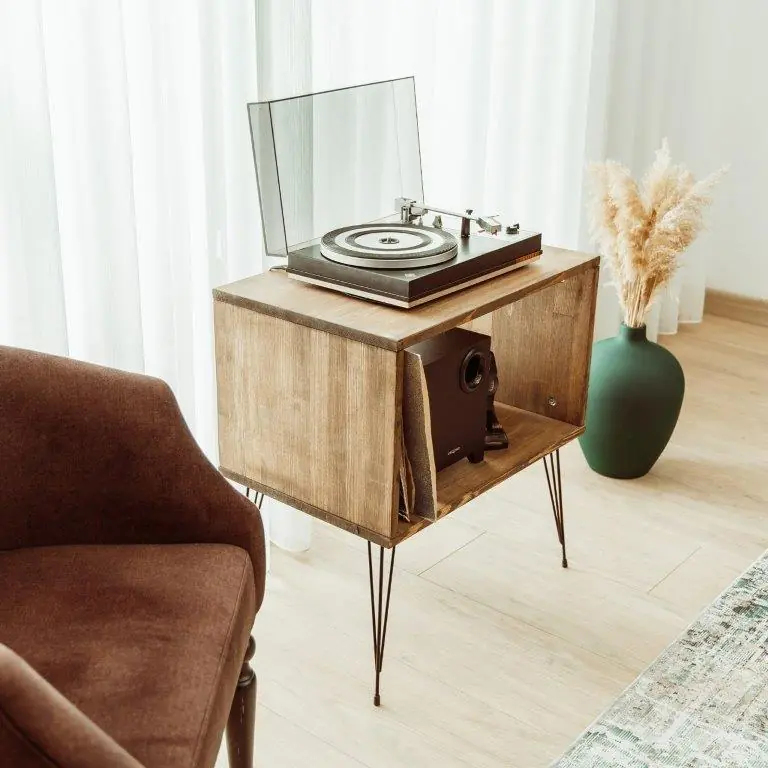
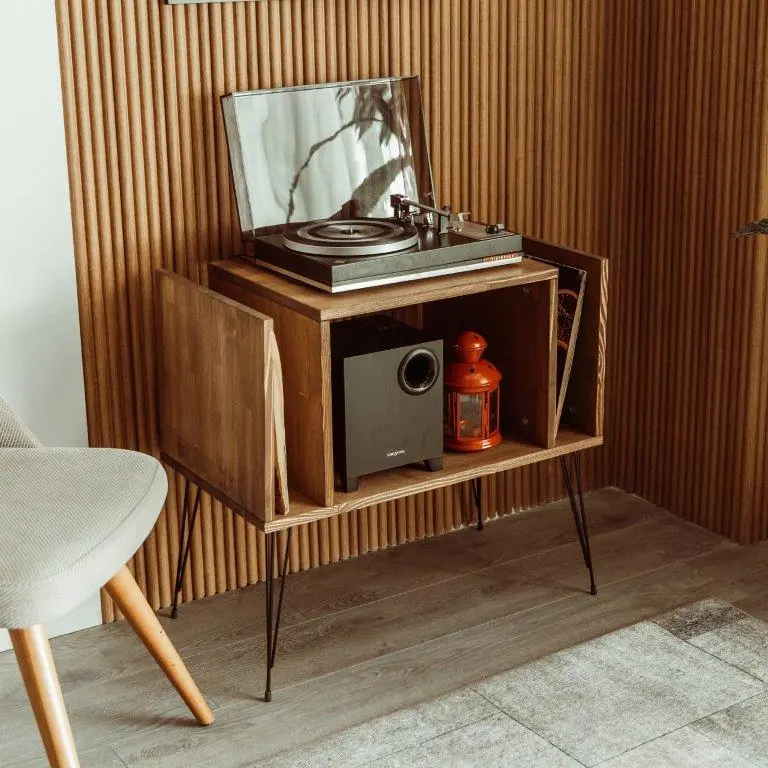
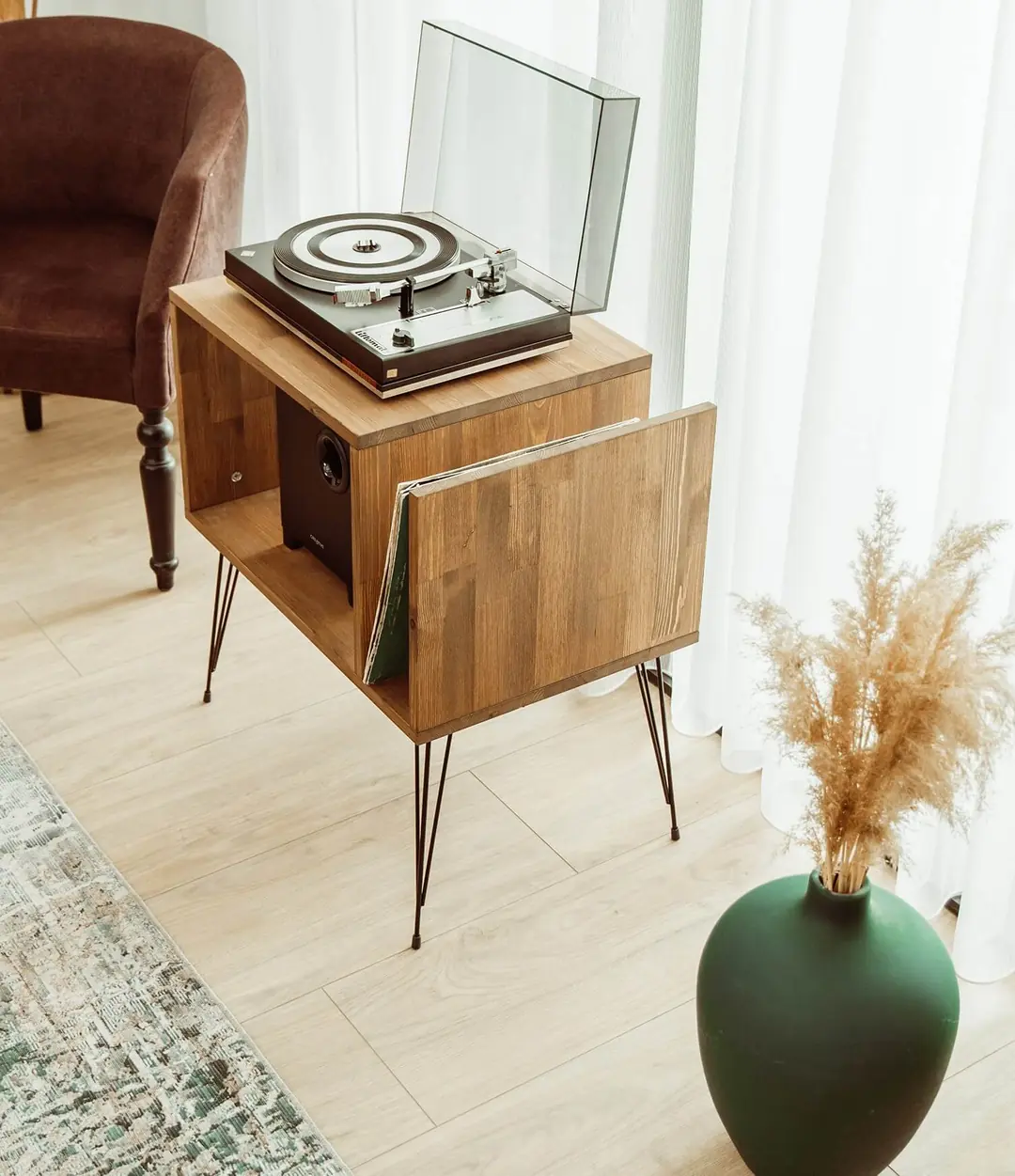
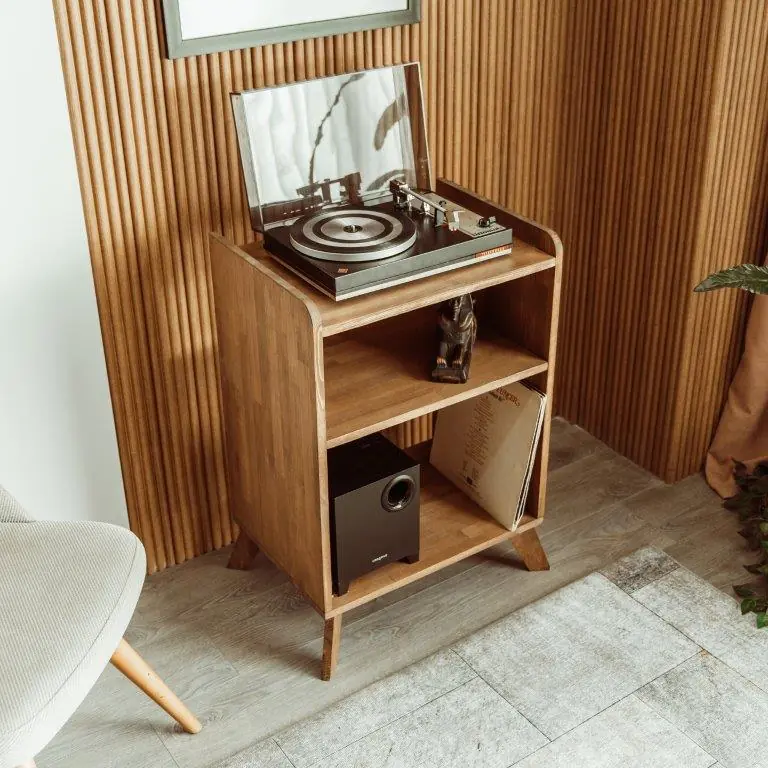
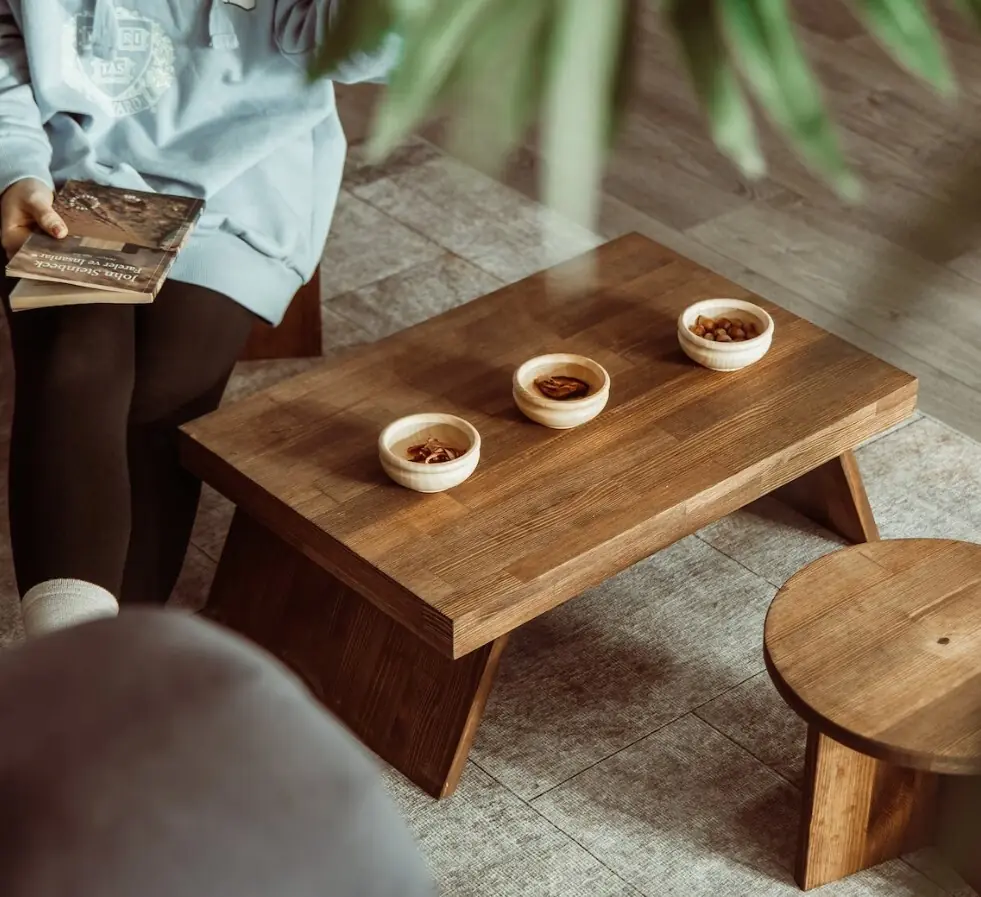
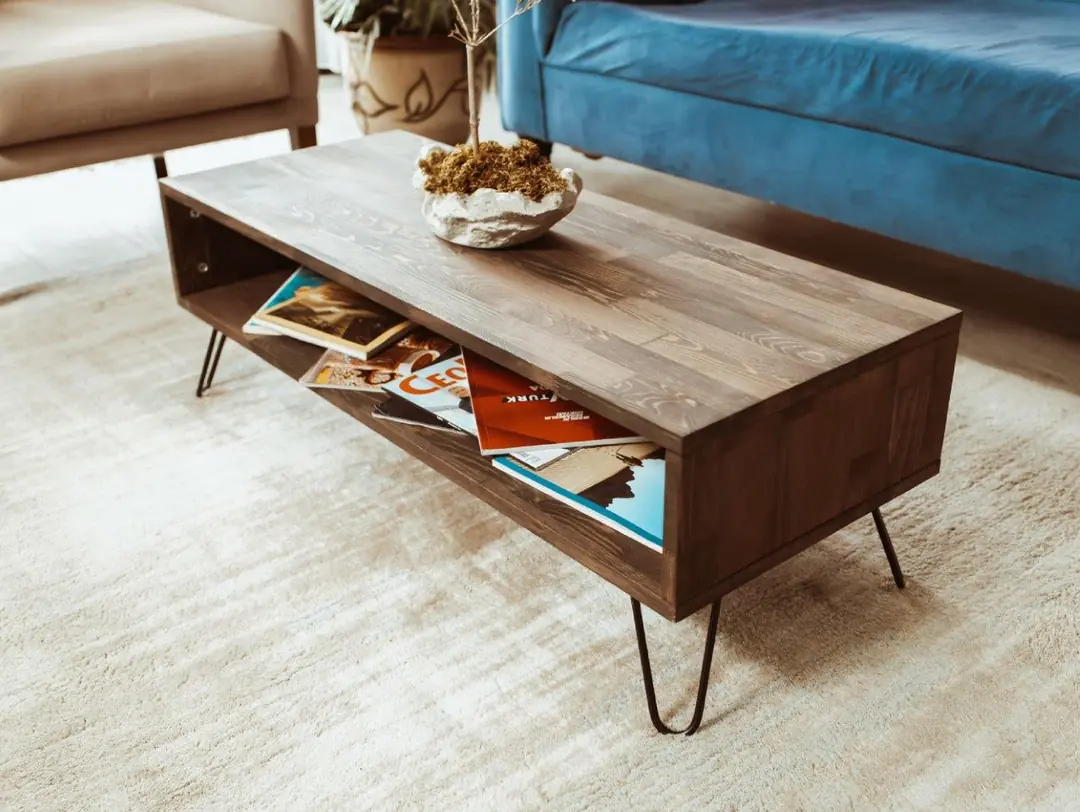
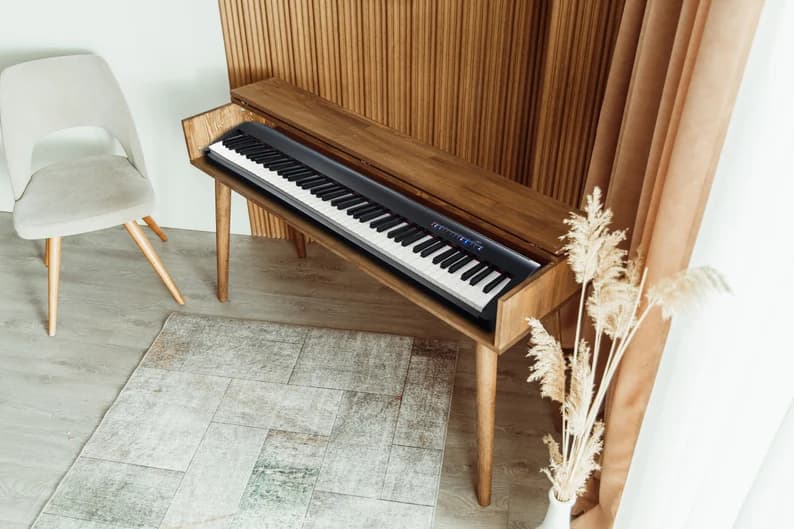
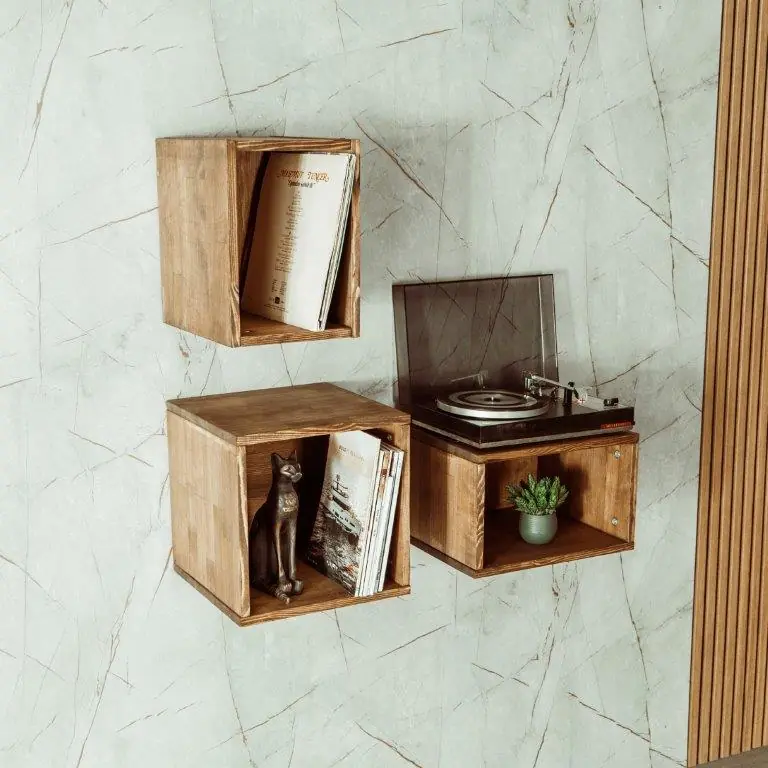
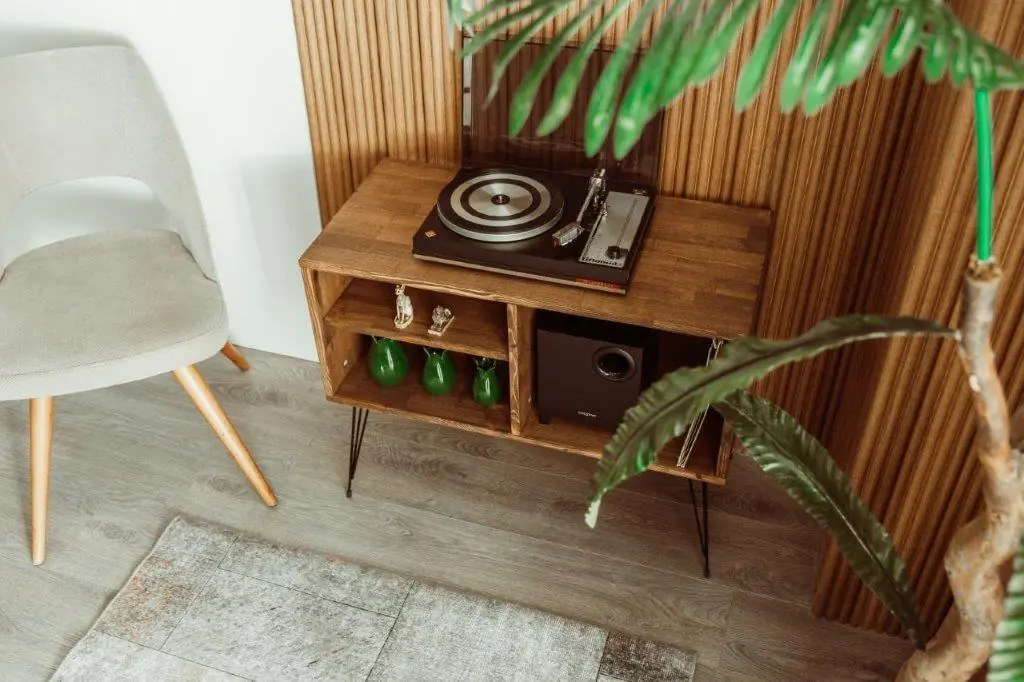
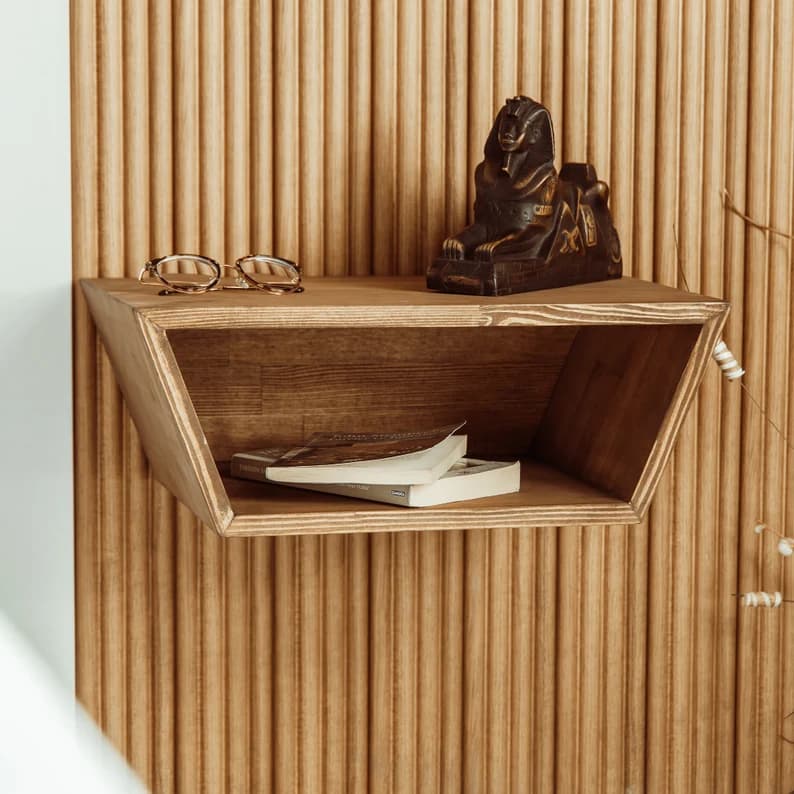

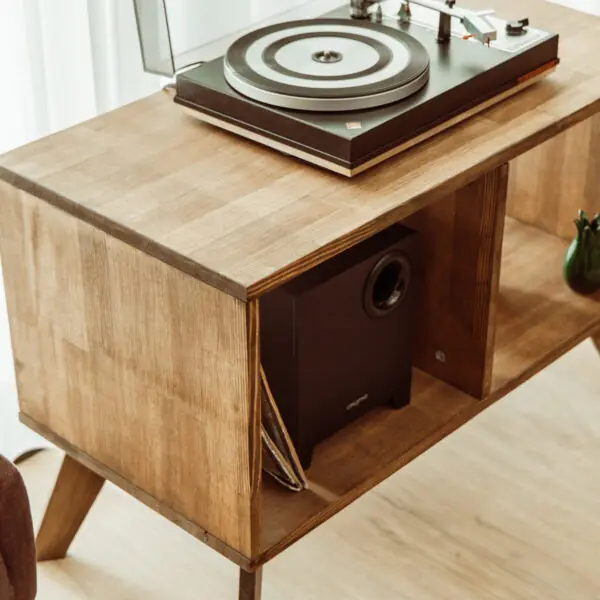
When you're shopping for furniture, two pieces can look almost identical in a photo — same shape, same finish, same warm wood tone — and yet one costs three times the other. The difference is almost never the design. It's what's underneath the surface. One is built from solid pine, real wood cut from a tree. The other is MDF or particleboard — engineered boards made from wood dust and glue, wrapped in a printed film that imitates grain.
That single choice decides whether your furniture lasts five years or fifty. Here's exactly what separates these materials, why it matters more than most people realize, and how to tell which one you're actually buying.
What Solid Pine Actually Is
Solid pine is genuine wood, milled directly from pine trees and joined into furniture. When you run your hand across it, the grain you feel is real — it goes all the way through the board, not just printed on top. Pine is a softwood, which means it's lighter and easier to work by hand than dense hardwoods like oak, but it's still structural timber: strong, screwable, sandable, and repairable.
The defining quality of solid pine is that it's a material you can live with for decades. A scratch can be sanded out. A loose joint can be re-glued. A tired finish can be stripped and redone, bringing the piece back to life. Over the years, solid pine develops a warm patina — it actually looks better with age, not worse. This is why solid wood furniture gets passed down through families while flat-pack furniture gets dragged to the curb.
At Oshoom, every piece is made from solid pine by hand, finished to show the natural grain rather than hide it. You can see this across the full record player stand collection, where the wood itself is the whole point.
What MDF and Particleboard Really Are
MDF (medium-density fiberboard) is made by breaking wood down into fine fibers, mixing those fibers with resin and wax, and compressing them under heat into a smooth, dense board. Particleboard (also called chipboard) is the cheaper cousin — it uses larger wood chips instead of fine fibers, so it's coarser, weaker, and lighter.
Both are "engineered wood," and both have legitimate uses. MDF takes paint beautifully and is dimensionally stable for things like cabinet doors and trim. Particleboard keeps flat-pack furniture affordable. The problem is what happens to them over time, and what happens the first time they meet a challenge they weren't built for.
The Real Difference: What Happens Over Time
This is where the gap becomes impossible to ignore.
Moisture. Solid pine handles humidity and the occasional spill — wipe it up and move on. MDF and particleboard do the opposite: water soaks into the exposed fibers, they swell, and the damage is permanent. A particleboard shelf that gets wet doesn't dry back to normal; it bloats and crumbles. Once a laminated edge lifts, moisture gets in and the board starts to fall apart from the inside.
Weight and sagging. Load a solid pine shelf with a stack of vinyl records or a turntable and a receiver, and it holds its line for years. Load the same span of particleboard and it slowly bows in the middle. Engineered boards have no continuous grain to resist that downward pressure, so over months and years they sag under weight they were never truly rated for.
Screws and joints. Solid pine grips a screw and holds it. When an engineered board's screw works loose — and it will, because the material around it is essentially compressed dust — there's nothing solid for it to bite back into. This is why budget furniture gets wobbly after a couple of moves and never tightens up again.
Repairability. A solid pine piece is fixable almost indefinitely: sand, re-glue, refinish, repair. MDF and particleboard are effectively disposable. Once the surface chips or the structure fails, there's no bringing it back — it goes in the trash, and you buy another one.
Why the Price Difference Is Real (Not a Markup)
It's tempting to look at a $90 flat-pack stand next to a handmade solid pine one and assume you're just paying extra for a name. You're not. You're paying for a fundamentally different object.
Solid timber costs more than wood dust and resin. Building with it by hand — cutting real joints, sanding, hand-finishing the grain — takes skill and time that an automated laminate press doesn't. And the math works out in your favor over the life of the piece. If a $90 particleboard stand sags, swells, or wobbles its way to the curb in three or four years, and you replace it twice, you've spent more money and sent two pieces to landfill. One well-made solid pine piece outlives all of them.
There's an environmental angle too: solid wood is repairable, refinishable, and biodegradable at the end of its life. Resin-bonded boards are difficult to recycle and usually aren't.
How to Tell What You're Actually Buying
Photos lie, so look past them. A few reliable tells:
- Check the weight and the edges. Real wood shows continuous grain that wraps around edges and corners. Laminate has a printed pattern that suddenly stops at a seam — flip to an edge or the underside and the illusion breaks.
- Read the material description, not the vibe. Listings love phrases like "wood finish," "engineered wood," or "manufactured wood." Those are polite ways of saying not solid wood. Look for the explicit words "solid pine" or "solid wood."
- Ask what happens if it's damaged. If a piece can be sanded and refinished, it's solid wood. If the answer is "you'd need to replace it," you already know what it's made of.
- Look at how it's sold. Mass flat-pack boxes are almost always engineered board. Made-to-order, handmade pieces are where solid wood lives.
Where Solid Pine Is Worth It Most
Not every object in your home needs to be solid wood. But for the pieces that carry weight, get used daily, and you actually want to keep, it's the difference between an investment and an expense.
A turntable setup is a perfect example. It holds real weight — the deck, a receiver, a growing record collection — and it sits out where you see and touch it constantly. A solid pine record player stand with storage like the Simurgh or the compact Tengu is built to hold that load for decades without sagging, and to still look right in your room years from now. The same logic applies to the surfaces you live around every day — a coffee table that takes daily use, a nightstand you reach for every morning. Anywhere a piece needs to be both strong and lasting, solid wood earns its place.
Final Thoughts
The choice between solid pine and engineered board isn't really about wood — it's about how long you want your furniture to last and how you want to spend your money over time. MDF and particleboard make sense when you want cheap and temporary. Solid pine makes sense when you want something you'll still have, and still love, in twenty years.
If you're building a space you care about, buy the piece you'll never have to buy again. Explore the full Oshoom collection and feel the difference real wood makes.






© 2026 OSHOOM. All rights reserved.